Six gemstone families
What we buy regularly, what we disclose about treatment, and roughly what each costs before it reaches a setting.
| Stone | What we hold | Treatment | Indicative price |
|---|---|---|---|
| Diamond | Brilliant, oval, emerald and cushion cuts held in stock; anything else sourced to order. | D–H colour, VS and above | €1,900 per carat and up |
| Sapphire | Ceylon and Madagascan, including the grey-blue and peach tones that do not photograph well but wear beautifully. | Heated stated on every invoice | €600 per carat and up |
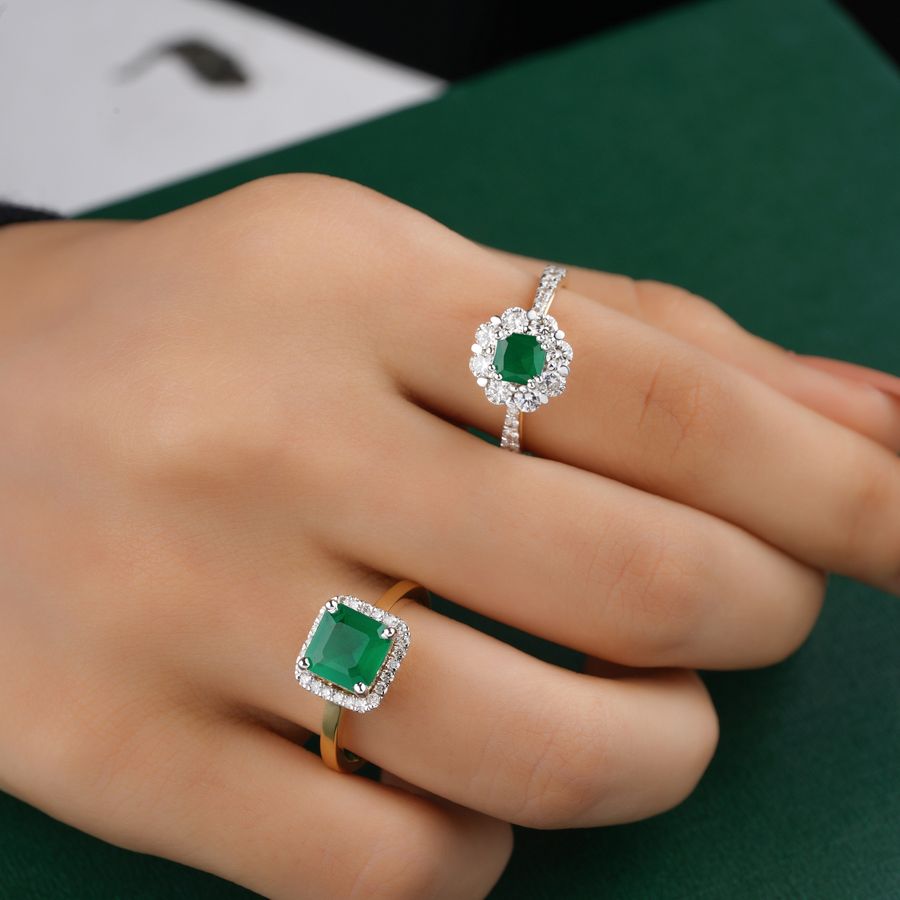
| Emerald | Colombian and Zambian. Oiling is disclosed in writing; we do not stock resin-filled stones. | Minor to moderate oil | €900 per carat and up |
| Spinel | Grey, lavender and hot pink. Harder than most people assume and increasingly hard to source above two carats. | Untreated only | €700 per carat and up |
| Tourmaline | Indicolite, rubellite and the green-blue Paraíba-type material, which we price on a stone-by-stone basis. | Untreated or heated, disclosed | €350 per carat and up |
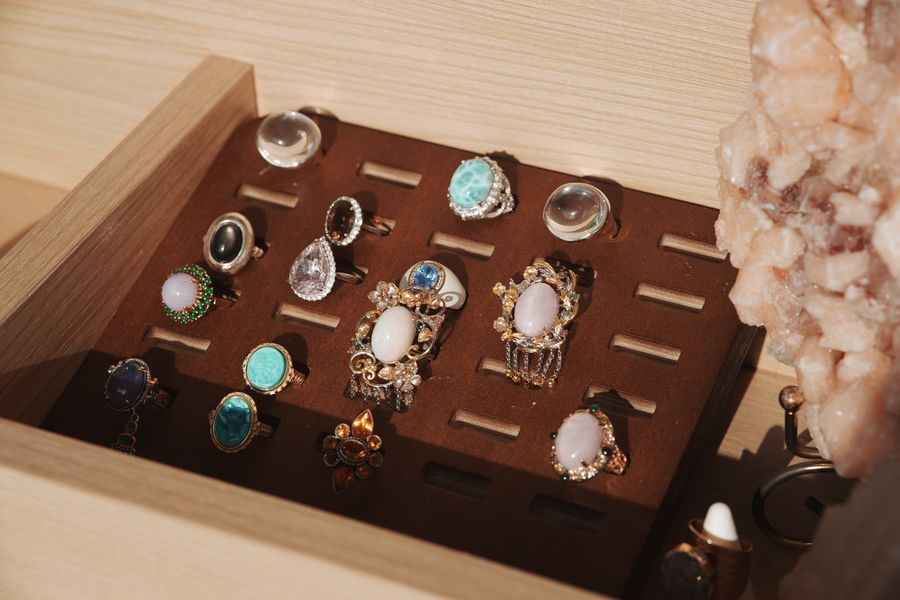
| Moonstone | Blue-sheen Sri Lankan material, cut as cabochons here in the atelier from rough we buy twice a year. | Untreated | €120 per carat and up |
Disclosure, in writing, every time
Heat, oil, fracture filling, irradiation and diffusion are all normal in parts of this trade and all change what a stone is worth. Every invoice we issue states the treatment status of every stone in the piece. If a stone's status is unknown, the invoice says unknown rather than untreated.
Why we cut moonstone ourselves
Blue-sheen moonstone lives or dies on orientation: cut a millimetre off axis and the sheen sits below the surface where nobody sees it. We buy rough twice a year from a single Sri Lankan supplier and cut the cabochons here, which is unusual for an atelier this size and is the reason our moonstone pieces look different from most.
Lab-grown diamonds
We will set them if you ask for them, at the same labour cost as a natural stone, and the invoice will say lab-grown. What we will not do is present one as an investment; the wholesale price of lab-grown material has fallen every year we have been trading and there is no reason to expect that to reverse.
Sourcing and provenance
Diamonds come through Antwerp dealers operating under the Kimberley Process. Coloured stones come from four cutters we have bought from for over a decade, and for those we can usually name the country and sometimes the mine. Where we cannot, we say so instead of inventing a story.